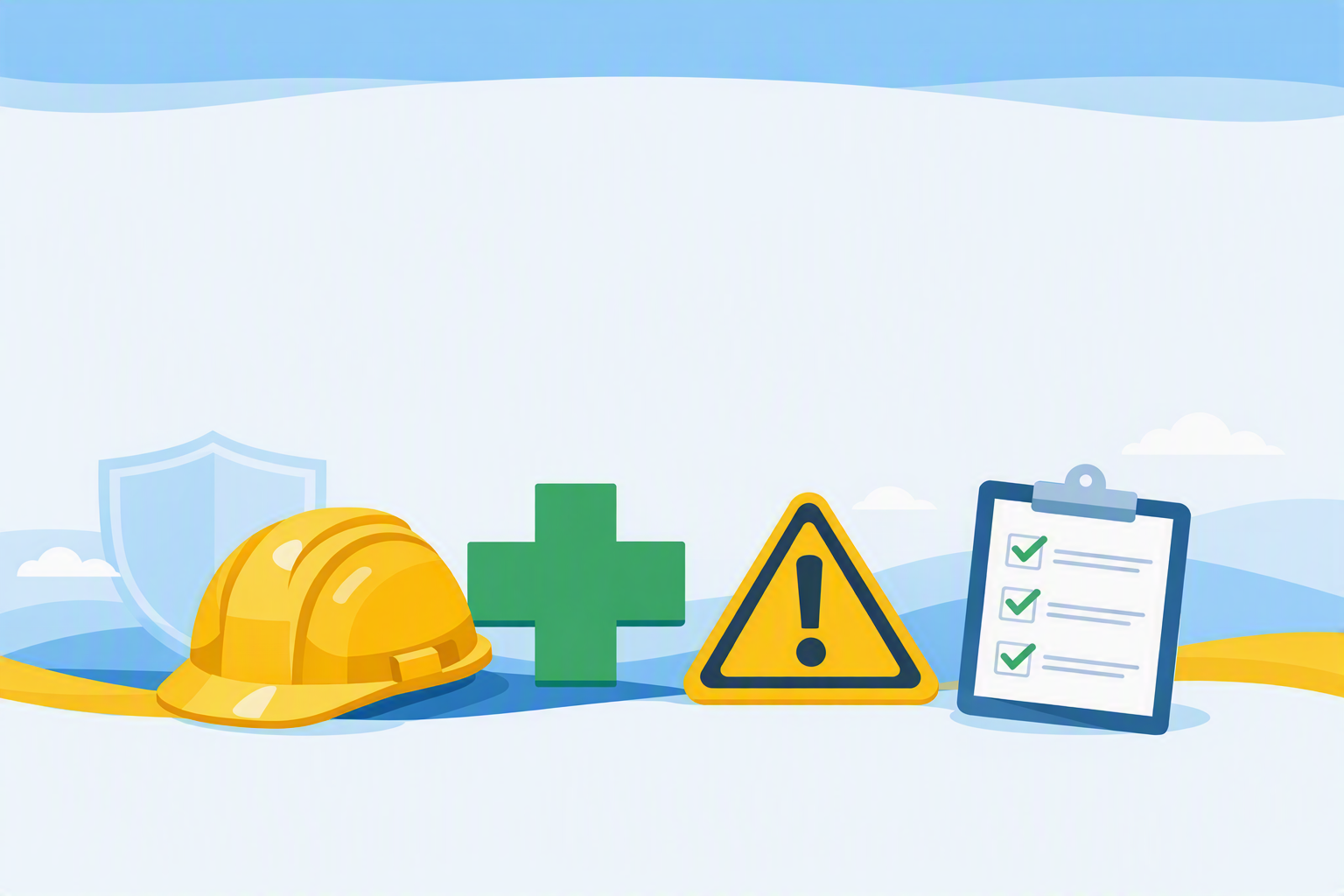
A new Floor Safety Awareness Month campaign will run throughout September, encouraging employers and employees to tackle workplace risks caused by leaks, drips, spills and wet surfaces. The initiative has been launched by New Pig Europe to help organisations improve floor safety and reduce the likelihood of slips, trips and falls.
The campaign comes amid continuing concerns about the impact of workplace injuries. According to Health and Safety Executive data, workplace injuries resulted in millions of working days being lost across Great Britain, while the wider economic cost of workplace accidents remains significant.
Floor Safety Awareness Month aims to provide practical guidance on identifying and controlling common hazards before they lead to injuries. Particular attention is being given to slips, trips and falls, which remain one of the most common causes of workplace accidents.
The campaign highlights everyday risks that can easily be overlooked, including roof leaks, tracked-in rainwater, equipment drips, washdown liquids and routine spills. If left unmanaged, these hazards can spread into walkways and working areas, increasing the risk of injury, disruption and costly downtime.
As part of the initiative, New Pig Europe is providing guidance to help businesses assess risk areas and implement effective prevention, containment and clean-up measures. The resources are designed to help workplaces focus on where liquid hazards originate and how they can be controlled before they become a safety issue.
Pete Zorgenlos, Head of Product at New Pig Europe, said floor safety is often viewed as a housekeeping issue, but warned that leaks, drips and spills can quickly develop into serious workplace hazards if not addressed promptly.
Shareable takeaway:
Slips, trips and falls remain one of the most common causes of workplace injury, yet many incidents are preventable. Floor Safety Awareness Month is a timely reminder that good housekeeping, rapid spill response and proactive hazard management can make a significant difference in keeping workers safe.